September 25, 2026
How to Make Drunken Noodles with Ingredients from Any Grocery Store
By @felixxwjs288
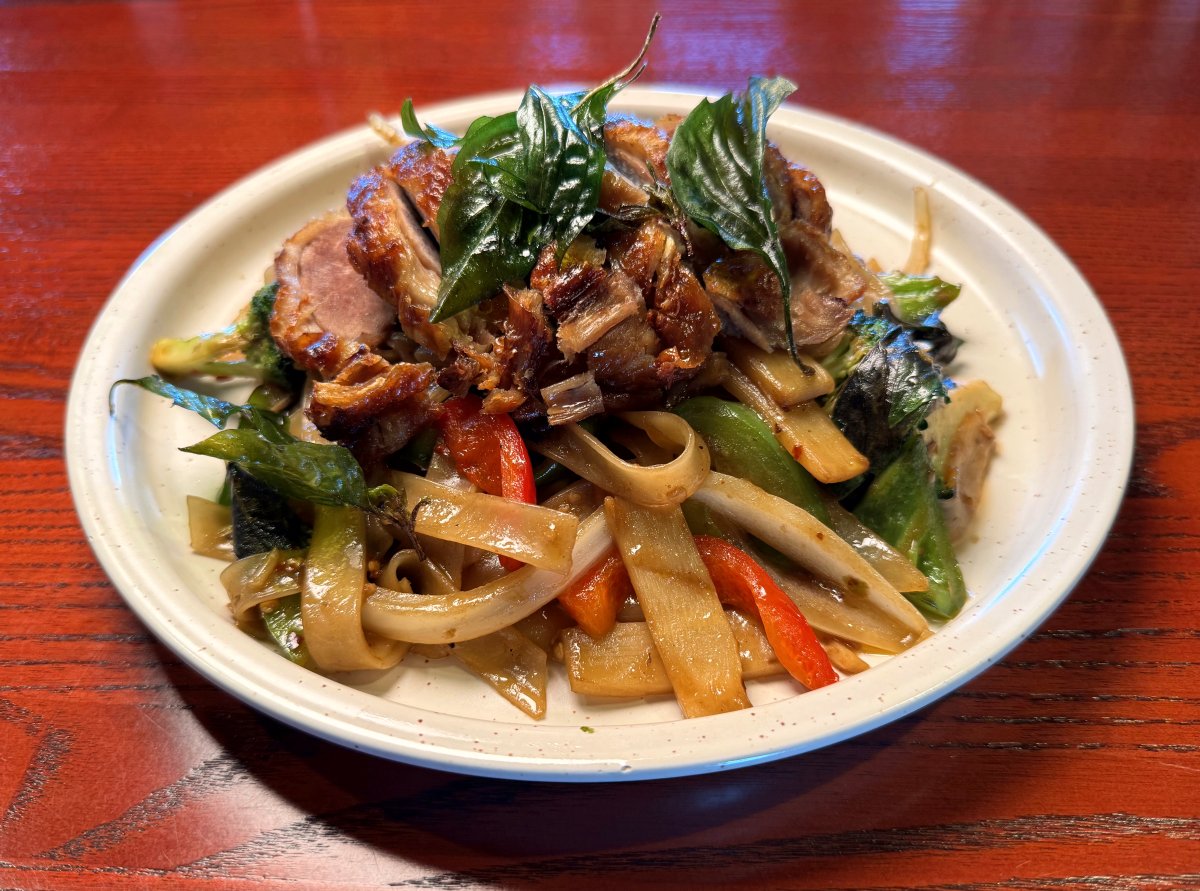
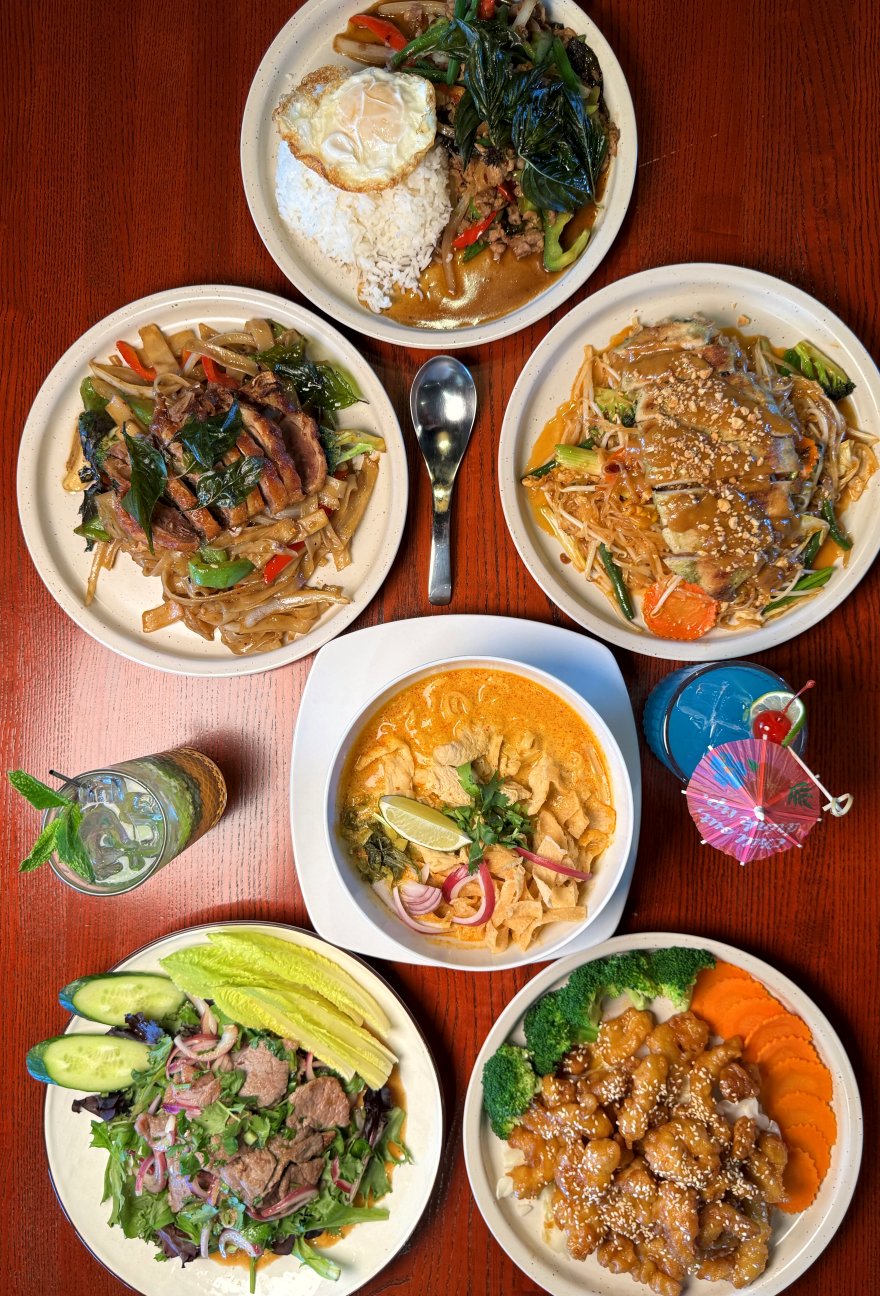
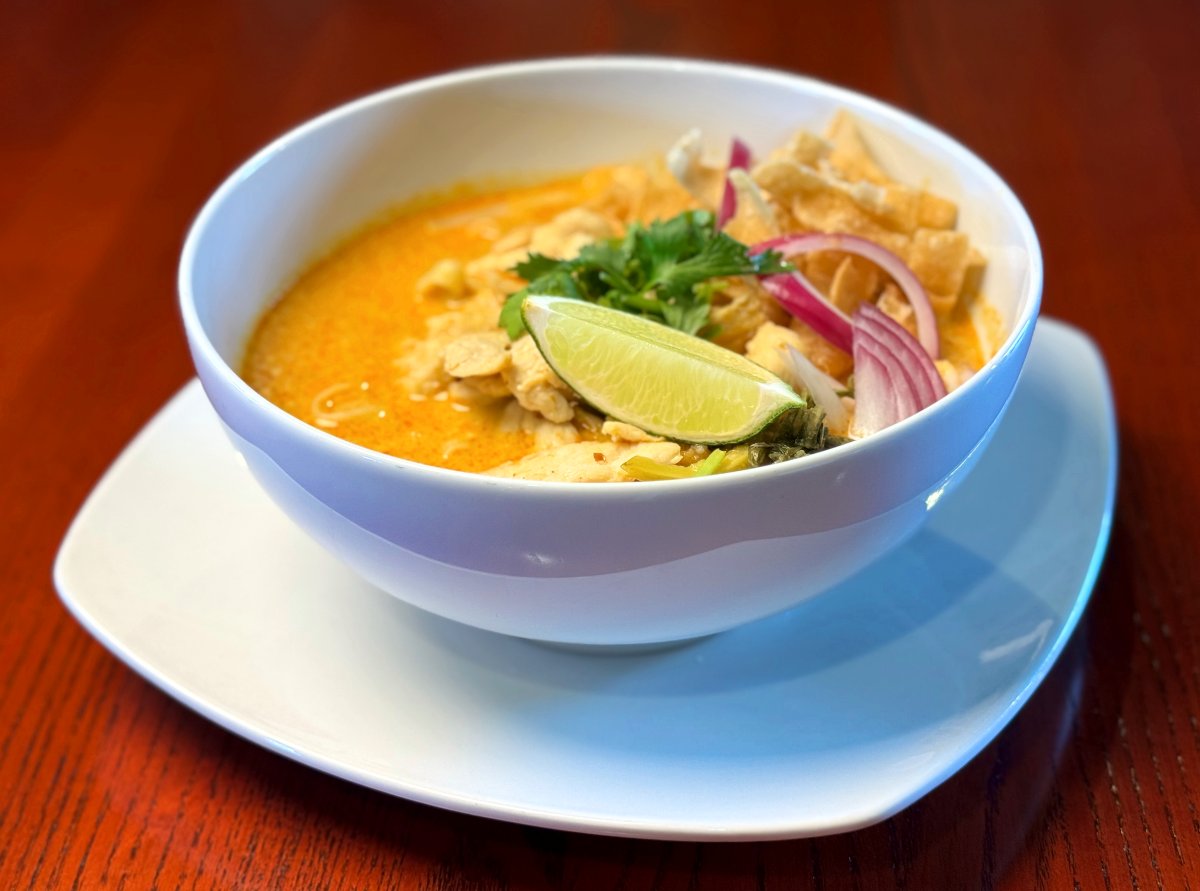
Drunken Noodles, or pad kee mao, has a reputation for being a restaurant-only dish. People assume it depends on specialty ingredients, a roaring wok burner, and a cook who can move faster than seems reasonable. The truth is less dramatic and more useful. You can make a very good version at home with ingredients from a regular grocery store, and if you understand what matters most, you can get surprisingly close to the bold, slippery, spicy noodle plate that makes this dish so satisfying.
The key is not chasing perfect authenticity with hard-to-find products. The key is knowing which elements carry the dish and which ones can bend. Drunken Noodles need wide noodles, a savory and lightly sweet sauce, assertive heat, aromatic garlic, and herbs that brighten the whole pan at the end. If you cover those bases with good judgment, you can make a pan of noodles that tastes intentional rather than like a compromise.
I have cooked versions of this dish in small home kitchens with electric coils, weak vent hoods, and whatever produce section was available that day. That experience teaches a practical lesson: a slightly imperfect homemade plate, hot from the skillet and balanced to your own taste, is often better than a rigid attempt to imitate a restaurant recipe with substitutions you do not understand. Once you know the job each ingredient is doing, the grocery store becomes a toolkit rather than a limitation.
What Drunken Noodles are supposed to taste like
This dish should hit several notes at once. It should taste savory first, with soy and umami depth. It should have some sweetness, but not enough to turn sticky or candy-like. It should carry real heat, not just a token pinch of red pepper. It should smell like garlic and basil, and the noodles should be glossy, a little chewy, and lightly scorched in spots where they touched the pan.
That last point matters. Drunken Noodles are not delicate. They are brash. If pad thai is tidy and sweet-sour, Drunken Noodles are looser, louder, and more aromatic. The sauce should cling without drowning the noodles. The vegetables should soften but keep some bite. The basil should wilt in the residual heat and perfume the whole dish.
Many home versions miss because they lean too heavily on soy sauce alone. Soy gives salt and color, but the dish needs dimension. A little sugar rounds harsh edges. Oyster sauce, if you can get it, gives body and a savory backbone. Fish sauce adds depth and the kind of salty complexity that tastes more like a full meal than a bowl of seasoned pasta. Even when you cannot get every classic ingredient, you want to build toward that layered effect.
The grocery store strategy
If you have access to an Asian market, great. If not, a standard supermarket can still get you there. Most large chains now carry rice noodles, soy sauce, basil, garlic, chilies or chili paste, and some kind of stir-fry vegetable selection. Oyster sauce and fish sauce are increasingly common in the international aisle, but if one or both are missing, there are workarounds.
Here is the simplest way to think about shopping for Drunken Noodles: buy the best version available in each of five categories, and do not get stuck on labels.
- Noodles, ideally wide rice noodles, but fettuccine or fresh linguine can work in a pinch.
- Sauce builders, meaning soy sauce plus at least one of oyster sauce, fish sauce, or a savory stir-fry sauce.
- Aromatics and heat, usually garlic and fresh chilies, or chili garlic sauce if that is what the store has.
- Vegetables, such as onion, bell pepper, broccoli, green beans, or snap peas.
- Fresh herbs, preferably Thai basil, but Italian basil is far better than no basil at all.
That framework keeps you focused on function. If the store has frozen wide rice noodles instead of fresh, buy them. If it has only dried pad thai noodles, those will work, though the final texture will be a bit less plush. If Thai basil is unavailable, use regular basil and consider adding a small pinch of black pepper to restore some of the herbal sharpness Thai basil naturally brings.
Choosing the noodles without overthinking it
Wide rice noodles are the classic choice because they absorb sauce well and have enough surface area to blister in the pan. Fresh rice noodles are best if your store carries them in the refrigerated section. They separate more easily and give that soft-chewy texture associated with restaurant Drunken Noodles.
Dried rice noodles are the next-best option. Look for noodles labeled wide rice stick, pad see ew noodles, or something similar. If the package is vague, compare widths through the window if you can. Very thin noodles cook too fast and tend to clump, while medium-wide ones hold up better under high heat.
If all you have is pasta, you are not making a traditional version, but you can still make a good dinner. Fresh linguine or even fettuccine has the right width and enough chew to carry the sauce. I would avoid spaghetti because it gives the dish the wrong feel in the mouth. Texture matters more than most people expect. Drunken Noodles should feel broad and a little unruly, not neat and twirly.
One practical warning: fresh rice noodles can break if handled cold. Let them sit at room temperature for a bit before separating. If they are stuck together, a brief microwave warming, often 20 to 30 seconds, can loosen them. Dried noodles should be cooked just shy of done, because they will continue to soften in the pan. Fully cooked noodles often turn mushy by the time the sauce reduces.
Building a sauce that tastes complete
A serviceable sauce for Drunken Noodles is not difficult, but it does need balance. If you only use soy sauce, the dish tastes flat and one-note. If you add too much sugar, it veers toward a glossy takeout stir-fry rather than the peppery, savory profile you want.
For a pan that serves about two to three hungry people, I usually start with roughly three tablespoons of soy sauce, two tablespoons of oyster sauce, one to two teaspoons of fish sauce, and one to two teaspoons of sugar. Add a splash of water if your sauce components are thick. Taste it before it goes into the pan. It should seem a little strong and salty on its own, because it has to season the noodles and vegetables.
If your store does not carry oyster sauce, hoisin is not a perfect replacement, but a small amount can contribute sweetness and body. Use less sugar if you go that route. If there is no fish sauce, add a touch more soy and consider a few drops of Worcestershire, which is not standard but can quietly add some fermented depth. These are not exact substitutes, but they move the dish in the right direction.
A squeeze of lime is optional. Some cooks like it, some do not use it at all. I think it can brighten a home version, especially if your basil is mild and your chilies are not very fragrant. I would add lime at the table, not directly into https://waylondoav067.capitaljays.com/posts/a-beginner-s-guide-to-authentic-drunken-noodles the pan, so it stays fresh rather than cooked.
The vegetables that make sense in a regular supermarket
Restaurant versions often use baby corn, long beans, or Thai eggplant. None of those are required for a solid homemade plate. Onion is especially useful because it sweetens in the pan and gives the dish body. Bell pepper adds color and crunch. Broccoli can work if you cut it small and do not overcook it. Green beans, snap peas, mushrooms, and zucchini are all viable.
What matters is not creating a crowded vegetable medley. Drunken Noodles are noodle-forward. The vegetables should support the dish, not bury it. I would pick two, maybe three at most. Too many components release too much water, which cools the pan and steams the noodles instead of searing them.
If you want protein, chicken thigh works best because it stays juicy at high heat. Thin slices of beef, shrimp, or tofu also fit naturally. Ground chicken or ground pork can be excellent and are often easier to manage in a home skillet than larger pieces of meat. If you add protein, keep the amount moderate. Around eight ounces for a two-to-three-person batch is enough. More than that and the dish starts eating like a stir-fried meat bowl with noodles, which shifts the balance.
Basil matters more than people think
The herb is not a garnish here. It is part of the identity of the dish. Thai basil is ideal because it has a peppery, slightly anise-like edge that stands up to soy, garlic, and chili. Regular Italian basil is softer and sweeter, but it still contributes freshness and helps prevent the dish from tasting heavy.
If using regular basil, add it generously. A modest handful disappears into the noodles and leaves you wondering where the aroma went. Two large handfuls for a household batch is not excessive. Tear the leaves or leave smaller ones whole. Do not chop them too finely. You want them to wilt and streak through the noodles, not vanish into green flecks.
I have seen home cooks try cilantro when basil was not available. It is better than no herb at all, but it changes the dish considerably. Parsley, on the other hand, does almost nothing useful here. If you cannot get basil, I would rather lean on garlic and chili and accept a simpler flavor profile than use an herb that points the dish in the wrong direction.
Heat, and how to control it without making the dish timid
Drunken Noodles should be spicy enough to feel lively. That does not mean punishingly hot, but it should have a noticeable kick. Fresh red chilies are ideal. Serranos are easy to find and work very well. Jalapeños are milder and greener in flavor, but they can still contribute if that is what the store has. Chili garlic sauce, sambal oelek, or crushed red pepper all have their place when fresh chilies are unavailable.
The main mistake with heat is adding it too late or too cautiously. Chilies need a little time in hot oil with the garlic so their flavor blooms. If you stir chili sauce into the finished noodles, you get heat, but not the same integrated aroma. That said, burnt garlic and burnt chilies taste bitter fast, so keep them moving and have the sauce ready.
If you are cooking for several people with different spice tolerances, aim for moderate heat in the pan and offer extra chili crisp or sliced fresh chilies at the table. That preserves the character of the dish without locking everyone into the same level.
The actual cooking, with home-kitchen adjustments
Restaurant cooks use intense burners that can char noodles in seconds. Most home stoves cannot do that, so you need a slightly different approach. The answer is not to give up on browning. The answer is to avoid overcrowding, preheat thoroughly, and accept that one strong sear in a skillet is better than three weak tosses in an overfilled wok.
A large skillet often works better than a wok on a standard stove because more of its base makes direct contact with the burner. Cast iron or heavy stainless steel are both good choices. Nonstick is easier for beginners, though it will not brown quite as aggressively.
Here is a reliable five-step method.
- Mix your sauce first, cook or soak the noodles until just tender, and prep every ingredient before the pan goes on the heat.
- Sear the protein if using it, then remove it so it does not overcook while the vegetables and noodles finish.
- Cook onion and any firm vegetables in a very hot skillet with a little oil, then add garlic and chilies for the last 30 to 60 seconds.
- Add noodles and sauce, toss quickly, and let the noodles sit briefly against the pan in spots so they blister instead of merely steaming.
- Return the protein, add basil at the end, and toss just until the leaves wilt and the sauce lightly coats everything.
That method sounds simple because it is simple, but timing matters. A batch for two or three people should move from vegetables to finished noodles in only a few minutes. If it lingers, the vegetables collapse and the noodles absorb too much sauce.
One trick that helps in a home kitchen is restraint with liquid. Many people dump in too much sauce because the noodles look dry at first. Give them 20 seconds. As they heat, the sauce loosens and spreads. If you flood the pan early, you lose any chance of caramelization. You can always add another spoonful at the end. You cannot easily cook off excess without overcooking the noodles.
Common mistakes and how to avoid them
The first common mistake is overcooking the noodles before they hit the pan. Rice noodles continue to soften with residual heat, so undercook them slightly when boiling or soaking. If they seem just a touch firmer than you want to eat plain, they are probably right.
The second is crowding the pan. If you double the recipe, cook in two batches. This is one of those annoying but real truths of stir-frying. A crowded pan leaks moisture. Moisture kills browning. Browning is a big part of flavor.
The third is using too many vegetables or cutting them too large. Thick broccoli florets and giant onion wedges take too long. Slice vegetables with speed in mind. Onion petals, thin pepper strips, and small broccoli pieces cook fast and integrate better with the noodles.
The fourth is forgetting the sugar. People trying to make the dish healthier sometimes skip it entirely, but that little bit of sweetness is structural, not decorative. It smooths the salt and heat into something more rounded. You do not need much. You do need some.
The fifth is adding the basil too early. If it cooks for more than a minute or so, it goes dark and dull. Stir it in at the end, then get the food onto plates.
A flexible formula for real weeknight cooking
Once you have made Drunken Noodles once or twice, you stop needing a formal recipe. The dish is forgiving if you respect its proportions. Think in terms of a pound of noodles, or closer to 8 to 10 ounces if feeding two or three. Add about 8 ounces of protein if using it. Use roughly 3 to 4 cups of vegetables total, packed but not excessive. Build a sauce around soy, oyster sauce, fish sauce, and sugar. Finish with a lot of basil.
That is the weeknight formula I come back to because it survives grocery-store variability. If the store has shrimp and snap peas, the dish still works. If it has chicken and broccoli, it still works. If all you have is onion, bell pepper, basil, and dried rice noodles, it still works.
The dish also rewards small personal adjustments. Some people like more sweetness. Some want intense fish sauce funk. Some want a black pepper kick alongside the chilies. Those are all reasonable choices once the basic structure is in place. Good home cooking is not about imitation for its own sake. It is about understanding the target well enough to hit it with the ingredients available.
If you want it to taste more like restaurant Drunken Noodles
Three things make the biggest difference. First, use enough heat in the pan. Let it fully preheat and cook in a small enough batch that ingredients sizzle on contact. Second, do not be shy with basil and chili. Home versions are often underseasoned in both areas. Third, seek out oyster sauce and fish sauce if you can, even if that means a different grocery store on another day. Those two ingredients add a lot of depth for very little effort.
If you have a bottle of dark soy sauce, a small amount can deepen color and lend a slightly more robust flavor. Not every Drunken Noodles recipe uses it, and too much can make the dish heavy, but half a teaspoon to a teaspoon can make a homemade batch look and taste more restaurant-like.
Another useful detail is a lightly fried egg on top. It is not mandatory, but it suits the dish beautifully, especially if the yolk stays a little runny. The richness softens the heat and turns the noodles into a fuller meal. It is the kind of practical upgrade I often recommend for home cooks because it adds pleasure without complicating the process.
A sample version using ordinary supermarket ingredients
Imagine a typical large grocery chain. You buy dried wide rice noodles, boneless chicken thighs, one yellow onion, one red bell pepper, garlic, serrano chilies, a bunch of basil, soy sauce, oyster sauce, fish sauce, and sugar. That shopping trip is enough.
Slice the chicken thinly and season it lightly with a spoonful of soy sauce. Soak or boil the noodles just until pliable. Mix a sauce with soy sauce, oyster sauce, fish sauce, sugar, and a splash of water. Heat a large skillet until properly hot, add oil, and sear the chicken until just cooked, then remove it. Add onion and bell pepper and stir-fry until the edges pick up some color. Add chopped garlic and sliced serrano. Once fragrant, add noodles and sauce. Toss hard and fast, but let the noodles rest against the pan here and there so they blister. Return the chicken, throw in a large handful or two of basil, and toss until wilted.
That meal comes together in under 30 minutes if your prep is done first. More importantly, it tastes like Drunken Noodles should taste: savory, spicy, fragrant, and just a little messy in the best way.
Serving and leftovers
Serve the noodles immediately. They are at their best when the basil is still vivid and the noodles are glossy from the pan. If you want lime wedges, sliced chilies, or chili crisp on the side, that is the moment.
Leftovers are decent, though never quite as good as the first serving. Rice noodles firm up in the refrigerator, so reheat them in a skillet with a splash of water rather than blasting them in the microwave until they go rubbery. A quick toss over medium heat usually brings them back to life. If the basil has faded, a few fresh leaves added at the end can brighten the bowl.
The bigger lesson behind the dish
Drunken Noodles are a useful recipe to keep because they train your instincts. They teach you what a balanced stir-fry sauce tastes like, how much prep matters before high-heat cooking, and how to think in categories instead of rigid ingredient lists. That is why this dish translates so well to a regular grocery store. It is not about finding one magical bottle or one exact noodle. It is about building the right combination of salt, sweetness, heat, aroma, and texture.
Once you understand that, Drunken Noodles stop feeling like restaurant food and start feeling like one of the most adaptable, rewarding dinners you can make at home. The ingredients are accessible. The method is fast. The result tastes far more impressive than the effort involved. And on a busy night, that is exactly the kind of cooking worth knowing.
Nakhon Luang Thai Kitchen
Address: 805 Village Center Dr, Colorado Springs, CO 80919
Phone number: +17195315175
FAQ About Drunken Noodles
What makes it drunken noodles?
Drunken noodles, or Pad Kee Mao, get their name from the Thai word khi mao (meaning "drunkard"). They contain no alcohol. The name comes from the idea that the dish is a popular late-night meal to cure a hangover or a great food to eat with a cold beer.
What is the difference between pad see ew and drunken noodles?
While both Pad See Ew and Drunken Noodles use the same wide rice noodles, Pad See Ew is a mild, sweet-savory dish made with dark soy sauce and Chinese broccoli, whereas Drunken Noodles (Pad Kee Mao) are fiery, garlicky, and herbaceous with fresh chilies and Thai basil.
What are traditional drunken noodles?
Traditional drunken noodles, known as Pad Kee Mao in Thai, are a fiery, savory street food stir-fry made with wide flat rice noodles, fresh garlic, lots of hot chilies, meat or tofu, and fragrant holy basil. Despite the name, they contain no alcohol; the dish is traditionally eaten late at night or as a hangover cure because the intense spice helps clear the head.
❧