September 25, 2026
How to Make Mild Drunken Noodles for Kids and Families
By @felixxwjs288

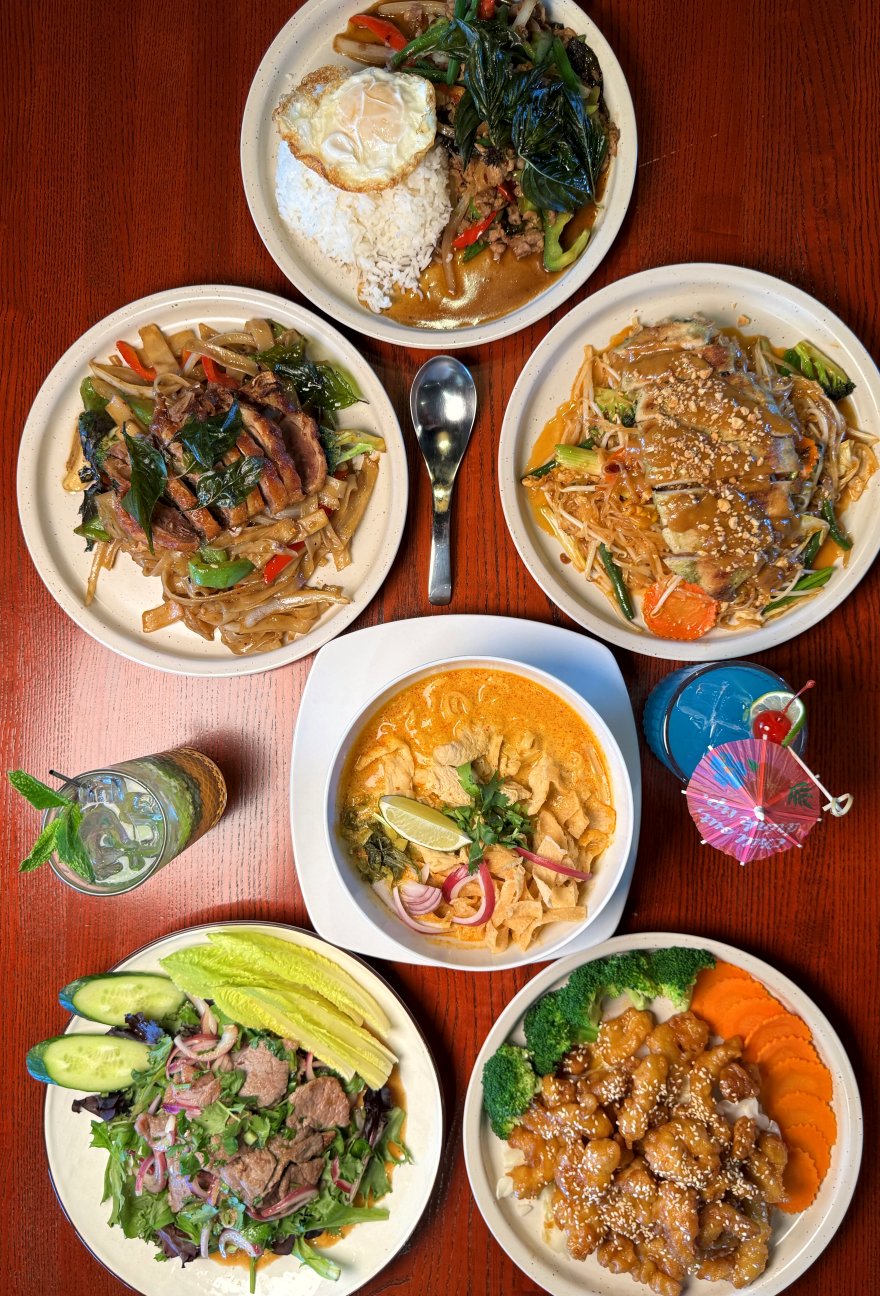
Drunken Noodles have a reputation for heat, big basil flavor, and the kind of restaurant intensity that makes adults reach for iced tea halfway through the bowl. That is exactly why many home cooks assume they are off the table for children. They are not. With a few smart adjustments, this dish becomes one of the easiest family dinners to pull into regular rotation.
The core appeal is already there. Wide noodles are satisfying and easy to eat. The sauce comes together quickly. The vegetables can bend to whatever is in the crisper drawer. The protein is flexible. Most important, the dish welcomes customization at the stove or even in the bowl, which matters if one person loves spice and another thinks black pepper is adventurous.
When I make mild Drunken Noodles for families, I am not trying to create a bland imitation. The goal is to keep the character of the dish, savory, slightly sweet, deeply fragrant, with chewy noodles and tender vegetables, while removing the sharp edges that turn dinner into a negotiation. Children usually do better with bold flavor than people expect. What they often reject is aggressive heat, bitterness, or too much fish sauce all at once. This version respects that line.
What makes Drunken Noodles taste like Drunken Noodles
At their heart, Drunken Noodles rely on contrast. You have broad rice noodles that soak up sauce, a quick sear on the protein, vegetables that stay a little crisp, and a glossy mixture of salty, sweet, and umami flavors. Thai basil usually brings a peppery, almost anise-like note that lifts the whole pan. Garlic keeps it grounded. A little sugar rounds the edges.
Traditional versions often lean on fresh chilies for their signature punch. For a family version, you can pull that heat way back without losing identity. The trick is to strengthen the other parts of the flavor profile so the dish still feels complete. More garlic, a touch of oyster sauce, and enough basil to perfume the noodles make a bigger difference than trying to mimic spiciness with black pepper or too much ginger.
If you have only had restaurant Drunken Noodles, it helps to know that homemade versions vary widely. Some are sweeter, some more savory, some almost smoky from a very hot pan. There is no single household formula to defend. That freedom is useful when you are feeding kids.
The key to making them kid-friendly without making them dull
Children usually notice texture before they notice nuance. If the noodles are clumped, overcooked, or slippery with too much oil, they lose interest fast. If the vegetables are cut into awkward chunks, they pick around them. If the sauce is intensely fishy, they stop after three bites. Building a family version means paying attention to those practical details as much as the seasoning.
Mild does not mean plain. It means the savory notes are clear, the sweetness is measured, and the aromatics smell inviting rather than sharp. I usually aim for a sauce that is a little sweeter than an adult-only batch, especially for younger children. Not sugary, just balanced enough that the garlic, soy, and basil land softly. A teaspoon or two of extra water in the sauce also helps because it loosens the mixture and coats the noodles more evenly, which matters when the pan is not ripping hot like a restaurant wok.
Another useful principle is separation. Keep spicy elements optional until the end. If adults want sliced chilies, chili crisp, or a spoonful of sambal, add it at the table or toss a portion in a separate skillet for thirty seconds. It is much easier to add heat than to take it back out.
Choosing noodles that work at home
Fresh wide rice noodles are ideal if you can get them. They are pliable, tender, and hard to overthink. In many grocery stores they are sold in refrigerated packs. If they are stuck together, warming them gently according to the package directions usually loosens them enough to separate with your fingers.
Dried wide rice noodles also work well, and for many families they are the more practical option. The only real danger is soaking or boiling them too long. They should be flexible with a little firmness left because they continue cooking in the pan. If you soften them until they are fully tender before stir-frying, they often break or turn gummy once the sauce hits.
For kids, slightly shorter noodle lengths can help. I often take kitchen shears and snip the softened noodles a few times before they go into the wok or skillet. That sounds fussy, but it takes less than a minute and makes dinner noticeably easier for small eaters.
The mild sauce formula that works
You do not need a long ingredient list. You need balance. A family-friendly sauce for Drunken Noodles usually includes soy sauce, oyster sauce, a small amount of fish sauce, sugar, and water. Some cooks add dark soy for color, which is fine if you have it, but not necessary.
Fish sauce is where many parents hesitate. Used heavily, it can overwhelm a mild dish. Used lightly, it adds depth that children often cannot identify but tend to enjoy. For a batch serving about four people, I usually keep fish sauce to around one to two teaspoons, then lean more on soy sauce and oyster sauce for the rest of the savory backbone. If your family is very sensitive to it, start with one teaspoon. The dish will still taste full.
Sugar is not there to make this a sweet noodle dish. It smooths sharp corners. With kid-focused cooking, that matters. The difference between one teaspoon and one tablespoon can be the difference between balanced and oddly dessert-like, so add it with intention. I find that two teaspoons to one tablespoon is the common useful range for a family-sized pan, depending on the saltiness of your sauces and the age of your audience.
A reliable ingredient setup
Here is a family-sized combination that works well in a standard large skillet or wok and serves about four, depending on ages and appetites.
- 8 to 10 ounces wide rice noodles, fresh or dried
- 1 pound chicken, turkey, tofu, or a mix, cut into small bite-size pieces
- 3 to 4 cups vegetables, such as broccoli, carrots, bell peppers, green beans, or bok choy
- 3 to 5 cloves garlic, finely chopped
- Sauce made from soy sauce, oyster sauce, a little fish sauce, sugar, and water
That is the framework, not a rulebook. Chicken thighs stay tender and forgive overcooking better than chicken breast. Ground turkey is fast and often easier for younger kids to eat. Tofu works beautifully if you brown it first and give it enough space in the pan. Bell peppers and carrots add sweetness. Broccoli brings structure and color. Bok choy softens quickly and blends into the noodles without much resistance.
Vegetables children are more likely to accept
This is one of those dinners where vegetable https://israelxxlv120.alderbrief.com/posts/how-to-choose-the-best-noodles-for-drunken-noodles choice changes the entire mood at the table. Big chunks of onion and floppy mushrooms may be perfect for adults, but they can be a hard sell for children who like predictable bites. Slicing vegetables thinly and keeping the shapes consistent helps more than parents sometimes realize.
Carrots cut into thin matchsticks become sweet and tender fast. Red or yellow bell peppers are usually more popular than green because they are milder and sweeter. Broccoli is better in very small florets than large trees. Snow peas or green beans work if they stay crisp-tender, not squeaky or limp.
If your child is wary of mixed dishes, reserve a small handful of blanched or stir-fried vegetables on the side before combining everything. It sounds like a compromise because it is one, but it often leads to more actual eating and less friction.
Basil matters, but there are good substitutions
Thai basil gives Drunken Noodles part of their identity. It is slightly spicy, slightly sweet, and distinct from Italian basil. If you have access to it, use it. Add it late so the leaves wilt into the noodles and release their aroma without turning black.
If Thai basil is hard to find, regular basil is still worth using. The flavor profile shifts, but the dish remains good and recognizable as a home-style adaptation. In a family kitchen, that kind of flexibility is practical, not sacrilegious. A small amount of spinach can also help bulk up the greens if your basil bunch is small, though it should not replace basil entirely.
One note from experience: do not chop basil far in advance. Bruised basil loses fragrance quickly, and in a mild dish every aromatic note counts.
The pan matters more than most recipes admit
A restaurant wok burner can blast heat at a level most home kitchens simply cannot match. That does not mean you cannot make excellent Drunken Noodles at home. It just means you need to respect pan crowding.
If too much food goes into the skillet at once, the vegetables steam, the protein gives off liquid, and the noodles sit in a shallow puddle instead of catching some charred edges. For families, this becomes tempting because you want to make a large batch. The better move is to cook in stages or use your widest pan.
I often brown the protein first, remove it, then cook the vegetables, then combine everything with the noodles and sauce at the end. Yes, it adds one extra plate to wash. It also produces a far better dinner.
The cooking sequence that keeps the noodles glossy instead of sticky
Once your ingredients are prepped, the dish moves fast. That is true for spicy restaurant versions and just as true for a mild family one. Have the sauce mixed before the stove goes on. Have the basil washed and ready. Have the noodles loosened. The actual stir-fry often takes less than ten minutes.
- Cook the noodles until just pliable, drain, and rinse briefly if needed to stop cooking.
- Brown the protein in a little oil, then remove it if the pan feels crowded.
- Stir-fry garlic and vegetables until crisp-tender, then return the protein.
- Add noodles and sauce, toss over medium-high heat until coated and glossy.
- Fold in basil at the end and serve immediately.
That is the efficient version. In real life, you may need to lower the heat if the garlic starts to color too fast, or splash in a tablespoon or two of water if the noodles tighten up. Both are normal adjustments, especially with dried noodles.
A sample family recipe, with realistic measurements
For a pan that feeds two adults and two children comfortably, mix 3 tablespoons soy sauce, 2 tablespoons oyster sauce, 1 to 2 teaspoons fish sauce, 2 teaspoons to 1 tablespoon brown sugar, and 2 tablespoons water. Taste it before it hits the pan. It should seem slightly strong and a little saltier than you want the finished noodles to taste, because it will spread across the noodles and vegetables.
Heat 1 to 2 tablespoons neutral oil in a large skillet. Add 1 pound of chicken thigh pieces or ground turkey. Cook until done, about 5 to 7 minutes, depending on the cut. Remove it if necessary.
Add 3 or 4 chopped garlic cloves and stir for about 20 seconds, just until fragrant. Then add about 4 cups mixed vegetables. Stir-fry until they are bright and nearly tender. Return the protein, add 8 to 10 ounces softened wide rice noodles, pour in the sauce, and toss gently but thoroughly. Use tongs and a spatula together if needed. Once everything is glossy and heated through, add a generous handful or two of basil leaves and fold them in until just wilted.
If you want a little more sheen and softness, add another tablespoon of water near the end. Home cooks often skip that move, but it can rescue a pan that looks dry.
Handling spice for mixed-age households
If your family includes teenagers, adults, and younger children, the cleanest approach is to cook one mild base and finish portions separately. Scoop out the children's servings first. Then return the pan to the heat and toss the remaining noodles with sliced fresh chilies, chili oil, or a spoonful of chili garlic sauce for the older crowd.
This works better than adding pepper flakes to the whole skillet and hoping the heat stays gentle. Chili distributes unevenly, and one surprising bite can sour a child on the dish for months. Families remember those moments.
A related note: white pepper can read as hotter and more medicinal to some children than black pepper, so use it carefully if at all. If you want complexity without heat, a little extra basil and garlic does more useful work.
Good swaps when the pantry is imperfect
Most home versions come together because someone looked at the refrigerator at 5:30 and decided to improvise. Drunken Noodles handle that well. The broad idea matters more than perfect authenticity when the goal is a weeknight family dinner.
- No oyster sauce, use more soy sauce and a small spoonful of hoisin, but reduce sugar a bit
- No fish sauce, skip it and add a little extra soy sauce, knowing the dish will lose some depth
- No Thai basil, use Italian basil and accept a softer herbal profile
- No wide noodles, use another rice noodle shape, though the texture will change
- Vegetarian table, use tofu and a vegetarian stir-fry sauce instead of fish and oyster sauce
Those substitutions are not identical, but they are sensible. The main thing is to keep the sauce from becoming too salty or too sweet as you adjust.
Serving strategies that help children actually eat it
A big communal platter looks beautiful, but it is not always practical for younger kids. I often serve their noodles in shallow bowls with kitchen scissors used one final time right over the bowl if the strands are long. A few visible pieces of chicken or tofu placed on top can help children see what they are eating rather than encountering a tangle.
Sometimes I hold back a little sauce and keep one child's portion lighter if they are in a cautious phase. Another child may want extra noodles and fewer vegetables. If dinner is calm and everyone gets roughly the same meal adapted to their needs, that still counts as family cooking.
For side dishes, keep it simple. Sliced cucumbers, steamed edamame, or fruit can round out the meal without competing with it. You do not need to overbuild a dinner like this.
Common mistakes and how to avoid them
The most common problem is overcooked noodles. Once rice noodles pass their ideal point, there is no real fix. Start a little under and let the pan finish the job. The second issue is too much sauce. Families often assume more sauce means more flavor, but excess liquid can make the noodles heavy and swamp the basil. You want coating, not soup.
Another frequent mistake is adding basil too early. It should be one of the last things in the pan. If cooked hard for several minutes, it darkens and fades. The same goes for garlic, which turns bitter if it browns before the vegetables go in.
Then there is salt balance. Soy sauce brands vary. Oyster sauces vary. Fish sauce varies. That is why tasting the mixed sauce matters. If it tastes aggressively salty in the bowl, it will probably still be too salty in the pan. Add a spoonful of water before you cook, not after everyone is seated.
Making it ahead without ruining the texture
Drunken Noodles are best fresh, but families do not always cook in a perfect window. You can prep almost everything ahead. Mix the sauce, chop the vegetables, cut the protein, wash the basil, and soften the noodles if your package allows for it. Then store the components separately and cook just before dinner.
Leftovers are still good, especially for lunch, but they lose some of that springy noodle texture. Reheat them in a skillet with a splash of water rather than blasting them in the microwave until they turn tight and rubbery. If you know you want leftovers, undercook the noodles slightly in the first place.
Why this dish earns a spot in family rotation
There are faster dinners, and there are certainly simpler ones, but mild Drunken Noodles hit a rare balance. They feel like takeout without requiring delivery. They use vegetables generously without turning into a worthy health project. They let adults add heat without excluding children. And they are forgiving enough that one household can make them with chicken and broccoli while another uses tofu and bell peppers and both still end up with a recognizable, satisfying bowl.
For families trying to expand beyond plain buttered noodles or the usual stir-fry, this dish can be a bridge. It introduces basil, fish sauce, rice noodles, and savory-sweet sauce in a form that is friendly and approachable. The first time you make it, keep it simple. The second time, adjust. Maybe your children want softer carrots, less basil, or more chicken. That is not failure. That is how family recipes settle in.
Once you find your house version, the one your kids will actually eat and your adults still enjoy, Drunken Noodles stop being a restaurant craving and become what the best family meals often are: flexible, fast, flavorful, and worth repeating next week.
Nakhon Luang Thai Kitchen
Address: 805 Village Center Dr, Colorado Springs, CO 80919
Phone number: +17195315175
FAQ About Drunken Noodles
What makes it drunken noodles?
Drunken noodles, or Pad Kee Mao, get their name from the Thai word khi mao (meaning "drunkard"). They contain no alcohol. The name comes from the idea that the dish is a popular late-night meal to cure a hangover or a great food to eat with a cold beer.
What is the difference between pad see ew and drunken noodles?
While both Pad See Ew and Drunken Noodles use the same wide rice noodles, Pad See Ew is a mild, sweet-savory dish made with dark soy sauce and Chinese broccoli, whereas Drunken Noodles (Pad Kee Mao) are fiery, garlicky, and herbaceous with fresh chilies and Thai basil.
What are traditional drunken noodles?
Traditional drunken noodles, known as Pad Kee Mao in Thai, are a fiery, savory street food stir-fry made with wide flat rice noodles, fresh garlic, lots of hot chilies, meat or tofu, and fragrant holy basil. Despite the name, they contain no alcohol; the dish is traditionally eaten late at night or as a hangover cure because the intense spice helps clear the head.
❧